
AC Condensate Water Damage Cleanup
Understand the damage, inspection, cleanup and next steps before arranging professional help.
Explore service →A burst pipe, wet ceiling or flooded room needs a safe first step and a clear plan. Learn what to do now, what may be damaged, and how to request qualified restoration help.
Independent contractor referrals may apply. Availability and qualifications must be confirmed with the responding company.
Detailed guides to common restoration services, inspection methods and the questions you should ask before agreeing to a scope of work.
Understand the damage, inspection, cleanup and next steps before arranging professional help.
Explore service →
Understand the damage, inspection, cleanup and next steps before arranging professional help.
Explore service →
Understand the damage, inspection, cleanup and next steps before arranging professional help.
Explore service →
Understand the damage, inspection, cleanup and next steps before arranging professional help.
Explore service →
Understand the damage, inspection, cleanup and next steps before arranging professional help.
Explore service →
Understand the damage, inspection, cleanup and next steps before arranging professional help.
Explore service →
Understand the damage, inspection, cleanup and next steps before arranging professional help.
Explore service →
Understand the damage, inspection, cleanup and next steps before arranging professional help.
Explore service →
Understand the damage, inspection, cleanup and next steps before arranging professional help.
Explore service →
Understand the damage, inspection, cleanup and next steps before arranging professional help.
Explore service →
Understand the damage, inspection, cleanup and next steps before arranging professional help.
Explore service →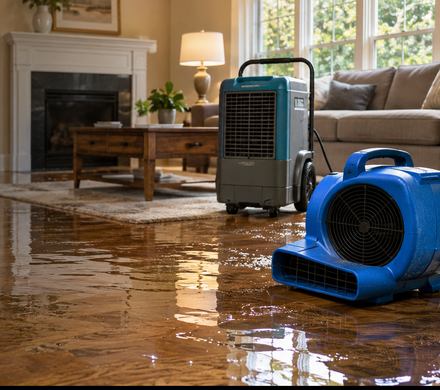
Understand the damage, inspection, cleanup and next steps before arranging professional help.
Explore service →Heavy rain, plumbing failures, wet subfloors and ceiling leaks create different restoration challenges. The correct plan follows the source and affected materials—not an assumption based on one stain.
Learn about Dunwoody stormwater and drainage, how technicians assess hidden moisture, and what happens during structural drying.
About this local resource →Avoid standing water around electricity, sagging ceilings and suspected sewage. Stop the source only if safe.
Record visible damage; ask the responder how the water source and affected materials will be evaluated.
Discuss extraction, cleaning, drying, monitoring, repair scope, costs and the identity of the contractor.
Practical homeowner guidance and decision points.
Read guide →Practical homeowner guidance and decision points.
Read guide →Practical homeowner guidance and decision points.
Read guide →Practical homeowner guidance and decision points.
Read guide →Practical homeowner guidance and decision points.
Read guide →A ceiling leak, burst pipe or flooded basement deserves two immediate responses: make the area safe, then find out where the water traveled. Water extraction alone is not proof that the building is dry. A responsible restoration plan also considers flooring, insulation, wall cavities, contamination and the source that caused the damage.
If you need water damage restoration in Dunwoody, start with the hazard. Keep clear of wet electrical equipment and sagging ceilings. Stop a plumbing source only if you can reach the shutoff safely. For sewage or unknown floodwater, avoid contact. Then document what happened and speak with a qualified contractor about assessment, extraction and drying.
You walk into the kitchen and find water around the dishwasher. By the time the appliance is turned off, the floor looks only slightly wet. Is that a small cleanup—or has moisture moved beneath the cabinets and flooring?
You cannot answer that from the surface alone. Finished floors differ in how they handle water. A waterproof-rated vinyl plank doesn't make every joint, perimeter or subfloor below it immune to moisture. Wet cabinetry behaves differently depending on its material and finish. A good assessment follows the water instead of starting with a predetermined demolition plan.
This is why I would ask a restoration contractor to explain what was measured and where, especially if the estimate includes removing flooring or opening walls. Those decisions need evidence, not alarmist language.
Read about water under vinyl plank flooring · Read about signs of hidden water damage
First, protect people. Standing water and electricity are a dangerous combination. Do not step into a wet area to reach an electrical panel. Keep away from a ceiling that is sagging or visibly holding water. Treat water from a sewer backup or outside flooding as potentially contaminated. If the problem involves an immediate danger to life, use emergency services.
Next, control an obvious clean-water source if it is safe. A shutoff valve beneath a fixture or at the main line may stop a plumbing leak. A roof opening, drain backup or wet basement can have a different source and need other specialists.
Then make a record. Photograph the visible water and affected belongings without entering an unsafe area. Note when the loss was discovered, who was contacted and which rooms were affected. Notify a landlord or property manager when the building is not yours to maintain.
Finally, ask for a service assessment that separates immediate mitigation from permanent repair. Removing water and repairing a burst pipe are not necessarily the same job.
Emergency water extraction addresses standing water after a leak or overflow. Depending on conditions, a professional may use extraction equipment and inspect nearby walls, floors and contents. The remaining moisture problem still needs attention.
Structural drying deals with affected assemblies after bulk water has been removed. Drying equipment and monitoring should be selected for the materials and conditions—not because a particular fan looks impressive. Progress should be recorded and communicated in terms the homeowner understands.
Burst-pipe cleanup follows a supply-line failure. A plumber may stop the leak, but wet drywall, insulation and floors can remain after the pipe is repaired.
Basement water removal starts with identifying whether the source is interior plumbing, surface drainage, foundation seepage or a drain backup. These are not interchangeable causes. A basement that repeatedly gets wet needs a source investigation as well as cleanup.
Roof and ceiling water damage calls for care around soaked ceiling material, attic insulation, roof penetrations and electrical fixtures. Cosmetic repainting should wait until the intrusion is resolved and the assembly has been checked.
Appliance and water-heater leaks commonly raise questions about kitchen flooring, laundry areas, utility rooms and cabinets. Concealed moisture deserves inspection before damaged finishes are replaced.
Sewage cleanup is different from an ordinary clean-water loss. Avoid exposure and involve appropriately trained professionals. Contaminated porous materials may require special handling or removal.
Commercial and multifamily restoration involves more people than one homeowner. Building managers, residents, tenants, insurers and the actual trades performing repairs may all need coordinated access and records.
Read about emergency water extraction · Read about structural drying
A useful inspection starts with the water source, visible conditions, the building assembly and evidence of water movement. The contractor should distinguish direct observations from assumptions.
Moisture meters can help compare affected and unaffected materials, although readings depend on material and instrument. Thermal imaging highlights temperature differences; it does not independently establish that a surface contains water. Investigating a suspicious thermal pattern requires confirmation. When a wall or floor assembly is inaccessible, the provider should explain what remains uncertain and what investigation is justified.
You should be able to ask: Which materials were checked? Was there a dry reference area? What does the measurement mean? How will the crew confirm that drying is complete?
The right answer is not always demolition, and it is not always leaving everything in place. The source and contamination concerns matter, as do material condition and access.
Read about how moisture detection works
There is no universal yes-or-no answer. A clean plumbing leak discovered quickly is a different situation from sewage water passing through wall cavities. A solid hardwood floor differs from engineered flooring, and a laminate plank is not the same as LVP.
Drywall that has lost structural integrity, is contaminated or cannot be reliably cleaned and dried may require removal. In other circumstances, a professional may recommend controlled drying after assessing the assembly. Wet insulation complicates that decision, particularly when it sits inside a closed wall.
Hardwood floors deserve an evaluation before sanding or refinishing. Cupped boards show uneven moisture conditions, but visual shape alone does not decide the repair. With vinyl flooring, the surface may resist water while moisture remains underneath. Subfloor condition is part of the decision.
Ask for reasons tied to the actual materials, not a sweeping claim that all wet floors must be replaced.
· · Read about water under vinyl flooring
Dunwoody is not one uniform collection of houses. The established residential streets around Dunwoody Village and Mount Vernon Road differ from the apartment, office and retail properties around Perimeter Center. An upstairs apartment leak can affect another unit. A privately owned house may have a different repair and access process. An occupied office needs to address tenant safety and continuity alongside the physical water damage.
The city also maintains a stormwater management program. Its published information gives residents a starting point for understanding drainage infrastructure and reporting public concerns. That does not mean a nearby creek, storm drain or water-main project caused a particular home leak. Check the source at the property before drawing conclusions. See the City of Dunwoody Stormwater Department.
A reliable quote needs a scope. An estimate for extracting visible water cannot fairly be compared with a price that includes equipment, monitoring, contaminated-material removal and reconstruction unless the differences are itemized.
Ask whether the proposal covers the source repair or only damage mitigation. Find out what conditions would lead to revised pricing. If floors or cabinets need to be removed, ask why and what observations support that work. Does the estimate include rebuilding? Who handles it?
Be cautious with any promise that insurance will pay. A covered sudden internal leak and outside flooding are not automatically treated the same. Policy terms, endorsements and facts of the loss govern the outcome. The Georgia Office of Insurance and Safety Fire Commissioner offers consumer information. A contractor can document the loss, but should not guarantee claim approval.
Prompt action matters, but slogans such as “mold always starts in exactly 24 hours” are misleading. The EPA's guidance on moisture and mold recommends drying affected areas and belongings within 24–48 hours where feasible to reduce the risk of mold growth. That timeframe is preventive guidance, not a guarantee about any particular building.
Stop the water source. Remove standing water appropriately. Assess concealed wet materials. Monitor drying instead of guessing from touch or odor. If mold is already visible or significant contamination is suspected, get specialized advice.
For an active burst pipe, a plumber may be the first trade required to stop the source. If the water has spread into floors, ceilings or walls, a restoration assessment is reasonable. A minor spill on a nonporous surface that was cleaned and dried safely may not justify a major mitigation project. A recurring basement problem might need drainage investigation alongside any cleanup. A sewage backup needs particular caution.
Before hiring, verify the actual company that will do the work. Ask about relevant qualifications, insurance, scope, monitoring records, payment terms and expected communication. An online directory or lead-generation website is not automatically the contractor. This website must disclose its actual operator and referral arrangements before launch.
No. Extraction removes accumulated water. Restoration can involve assessing materials, drying, cleaning, removing damaged components and coordinating reconstruction. The scope should say what is included.
No. An upstairs bathroom, supply line or HVAC condensate issue can produce a similar sign. Trace the source rather than treating the stain as a diagnosis.
No. A finished floor can conceal water below it. Assessment methods need to match the materials and the history of the leak.
No. Coverage varies by cause, policy terms, exclusions and endorsements. Document the loss and contact the insurer for a policy-specific response.
Ask who is performing the job, whether source repair is included, which materials are affected, how drying will be documented, what the estimate excludes, and how changes are approved.
If water is still entering the building or you suspect contaminated water or electrical danger, address safety first. Then reach a provider who actually covers your Dunwoody address, can explain the assessment and will put the scope in writing. Do not approve unnecessary demolition—or assume a cleaned-up puddle means everything underneath is dry.